

Commercial Storefront Glass

Curtain Wall Systems

Modern Architecture Often Starts With Glass

Curtain wall systems have become one of the defining features of contemporary commercial architecture.

Office towers rely on them extensively.

Mixed-use developments frequently incorporate them into modern designs.

Corporate campuses use large expanses of glass to create open and visually connected environments.

Unlike traditional exterior walls, curtain wall systems create a non-structural exterior facade that surrounds the building while helping shape its appearance and performance.

As a result, these systems influence everything from architectural identity to natural light and tenant experience.
 

commercial glass replacement las vegas vs miami — storefront security and facade maintenance (7)


What Is A Curtain Wall System?

A curtain wall is an exterior glazing system attached to the structure of a building.

The system forms the outer facade without supporting the building itself.

Glass panels are combined with framing components to create a continuous exterior surface.

This approach allows architects to create large glazed areas while maintaining flexibility in design.

Many high-rise buildings use curtain walls as their primary exterior envelope.

Large commercial developments often incorporate them as a defining architectural feature.

Curtain Walls And Storefront Systems Are Different

The terms are sometimes used interchangeably.

They serve different purposes.

Storefront systems are typically installed at ground level.

Curtain walls often extend across multiple floors.

Storefront systems are generally designed for smaller-scale applications.

Curtain walls support larger and more complex building designs.

Common Curtain Wall Applications

  • Office Towers
  • Corporate Campuses
  • Mixed-Use Developments
  • Hotels
  • Healthcare Facilities
  • Universities
  • Airports
  • Government Buildings
  • Life Sciences Campuses
  • Commercial High-Rise Buildings

The scale of these projects often requires systems capable of supporting expansive architectural glazing.

Architectural Identity Matters

Many commercial properties use curtain walls to create a strong visual presence.

Glass facades contribute to modern design.

Natural light becomes a central feature.

Exterior appearance often influences tenant perception.

Because commercial buildings compete for attention and occupancy, architecture frequently becomes part of the property’s competitive advantage.

A well-designed curtain wall can help establish a distinctive identity while supporting long-term modernization goals.

Natural Light Improves Interior Environments

Large glazed facades allow more daylight to enter the building.

Interior spaces often feel more open.

Work environments benefit from improved access to natural light.

Common areas can become more inviting.

These advantages help explain why curtain wall systems remain popular across office, hospitality, education, and mixed-use developments.

For many projects, daylighting becomes an important part of the overall design strategy.
 

commercial glass replacement las vegas vs miami — storefront security and facade maintenance (9)


Corporate Campuses And Office Buildings

Modern workplaces continue evolving.

Tenant expectations change.

Employers focus more attention on employee experience.

As a result, many office developments incorporate curtain wall systems to create brighter and more attractive environments.

Large glazing systems often become central features of contemporary corporate campuses.

Natural light supports workplace quality.

Architectural glass contributes to building identity.

Both factors can influence tenant attraction and long-term competitiveness.

Hospitality And Mixed-Use Development

Hotels frequently use curtain walls to maximize views and improve guest experience.

Mixed-use developments often rely on architectural glazing to connect different property uses within a unified design.

Exterior appearance influences perception.

Modern facades contribute to property value.

Because these developments compete for tenants, visitors, and investment, building presentation often becomes an important consideration.

Healthcare And Education Facilities

Universities and healthcare campuses continue investing in modernization projects.

Research facilities frequently incorporate large glazed areas.

Medical buildings often prioritize natural light.

Student centers and academic buildings use architectural glass to create contemporary environments.

Curtain wall systems support these goals while contributing to broader campus development strategies.

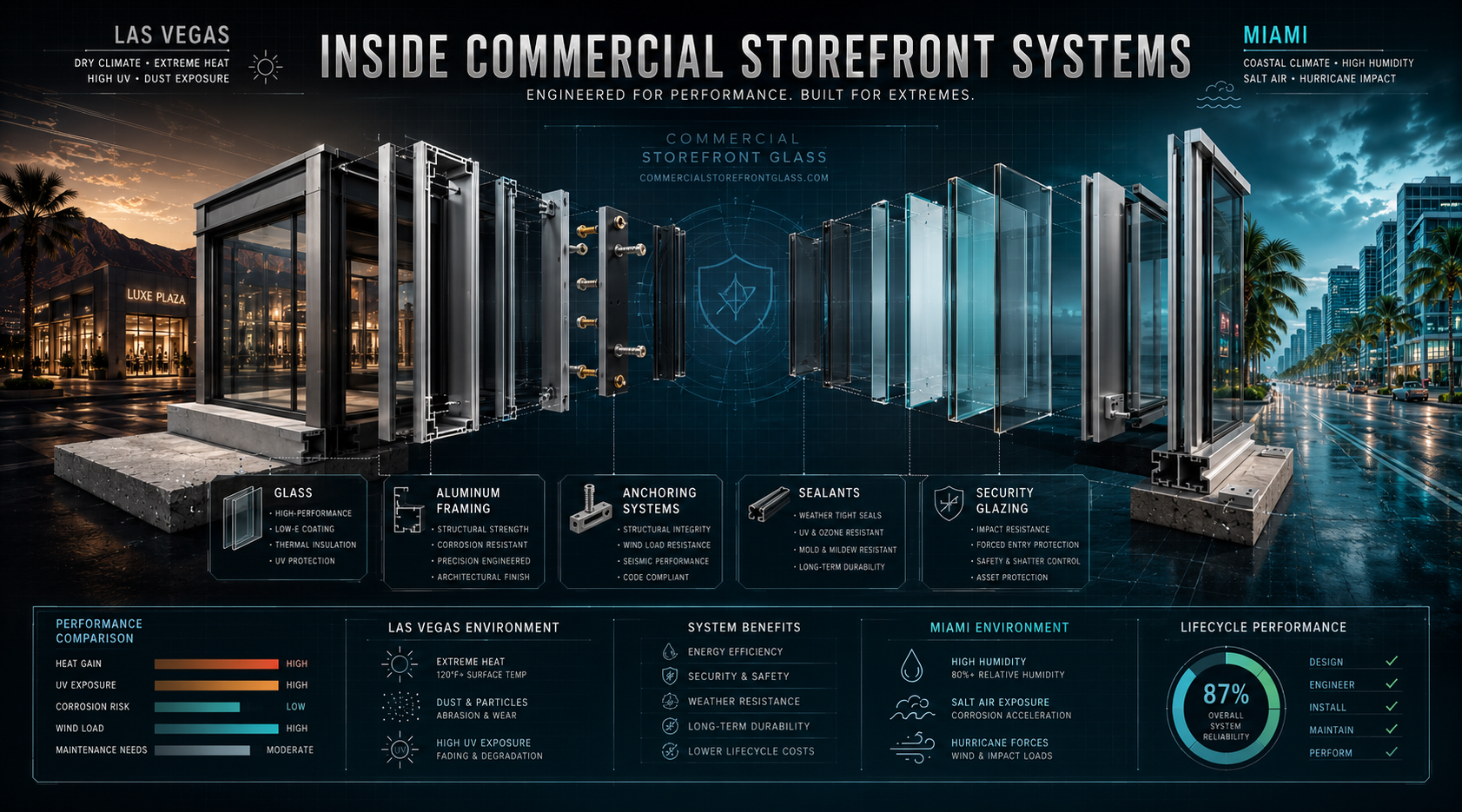
Building Envelope Performance

Curtain wall systems affect more than aesthetics.

The building envelope plays a critical role in overall property performance.

Environmental exposure influences exterior systems every day.

Weather conditions create ongoing demands.

Long-term durability becomes important.

Common Performance Considerations

  • Building envelope performance
  • Natural light
  • Property modernization
  • Exterior appearance
  • Long-term durability
  • Lifecycle planning

These factors frequently influence design and ownership decisions.

Modernization And Property Repositioning

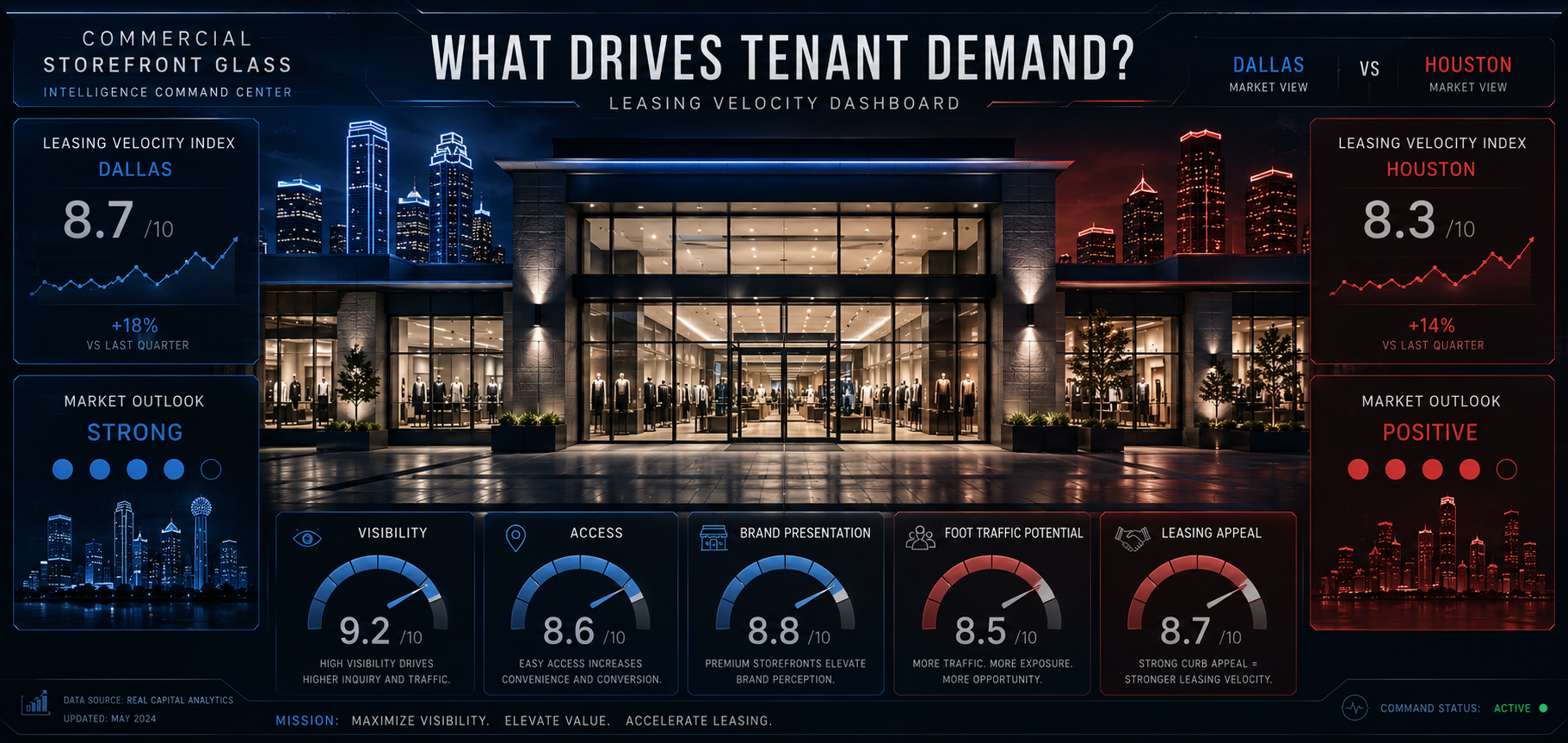
Many commercial properties install curtain wall systems during major renovation projects.

Older buildings often pursue exterior upgrades.

Property owners seek stronger market positioning.

Developers continue modernizing aging assets.

Architectural glazing frequently becomes one of the most visible signs of transformation.

Updated facades can improve perception while supporting broader repositioning efforts.
 

dallas vs houston — shopping center upgrades and property repositioning commercial storefront glass replacement (9)


Long-Term Asset Value

Commercial buildings compete continuously.

Tenant attraction matters.

Property image influences perception.

Modern design contributes to competitiveness.

Because curtain wall systems shape how a building is viewed by tenants, visitors, and investors, they often become part of long-term value creation strategies.

Many ownership groups evaluate these systems through both architectural and financial lenses.

Supporting Modern Commercial Development

Curtain wall systems remain one of the most recognizable elements of contemporary commercial architecture.

Glass facades shape skylines.

Natural light improves interior environments.

Architectural glazing contributes to modernization efforts.

Whether used in office towers, corporate campuses, healthcare facilities, hotels, universities, airports, or mixed-use developments, curtain wall systems help support building performance, tenant attraction, architectural identity, and long-term property value.