

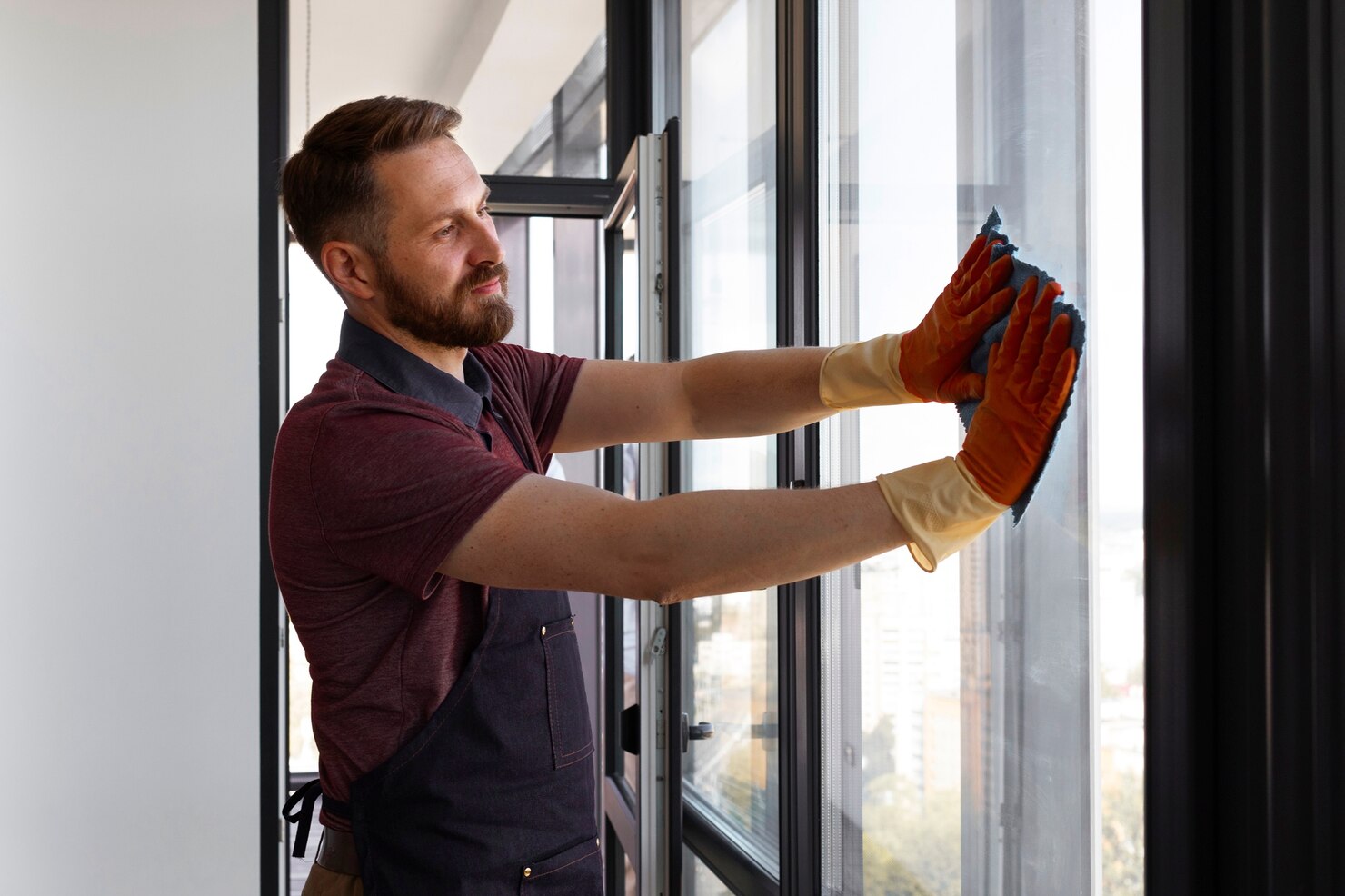

Los Angeles vs San Francisco: Energy-Efficient Glass Repair vs Replacement vs New Installation
Energy efficiencyhas become one of the primary drivers behindcommercial glass projects throughout California. Property owners are no longer focused solely on replacing broken glass—they are investing in glazing systems that reduce operating costs, improve occupant comfort, and increase long-term building performance.Across Los Angeles and San Francisco, commercial buildings are being repaired, modernized, and redesigned with energy efficiency as a central objective.
Although both cities operate under California’s demanding building standards, their commercial inventories often create different opportunities. Los Angeles continues adding new office buildings, hotels, retail centers, healthcare facilities, and mixed-use developments designed aroundmodern glazingtechnology.San Francisco frequently improvesexisting office towers, adaptive reuse projects, historic commercial properties, and technology campuses throughenergy-focused buildingupgrades.
Understanding when torepair,replace, orinstall new energy-efficient glazinghelps owners make investments that benefit both buildingperformance and long-term property value.

Energy Performance Starts with the Building Envelope
Commercial glass is one of the largest contributors to overall building performance.
Modern glazing systems help improve:
- Interior comfort
- Natural daylight
- Solar heat management
- Energy efficiency
- HVAC performance
- Occupant productivity
- Long-term operating costs
Storefronts,curtain walls,commercial windows,entrances, andinsulated glass unitsall work together as part of thebuilding envelopetoimprove efficiency throughout the property.
When Energy-Efficient Glass Repair Is the Right Solution
Not every efficiency problem requires replacing theentire glazing system.
When the surrounding framing remains structurally sound, repairs often restore performance whileextending the life of the existing installation.
Common repair projectsinclude:
- Broken insulated glass replacement
- Sealant restoration
- Weatherproofing repairs
- Window glazing repairs
- Storefront glass replacement
- Door glass replacement
- Minor framing adjustments
Throughout Los Angeles,repairs commonly support office buildings, hotels, retail centers, restaurants, and healthcare facilities where maintaining daily operations is essential.
In San Francisco, repairs frequently occur in occupied office towers, financial district buildings, technology campuses, and mixed-use developments where preserving the existing building envelope remains practical.
Timely repairs help maintain energy performance while preventing larger system failures.

When Replacement Improves Building Efficiency
As commercial buildings age, replacement often delivers greater long-term value than continuing isolated repairs.
Replacement is commonly recommended when:
- Insulated glass seals fail
- Energy performance declines
- Older glazing no longer meets operational goals
- Storefront systems become outdated
- Curtain wall performance deteriorates
- Major building modernization is planned
Los Angeles property owners frequently replace glazing during hospitality renovations, office repositioning, retail redevelopment, and tenant improvement projects.
San Francisco owners often replace commercial glass while upgrading office towers, adaptive reuse developments, technology workplaces, and Financial District buildings seeking greater operational efficiency.
Modern glazing systems can significantly improve building performance while reducing future maintenance requirements.
New Energy-Efficient Glass Installation
New installation allows architects and developers to design building performance from the beginning.
Today’s commercial projects frequently specify glazingsystems that support energy efficiencywhile also enhancing aesthetics anddurability.
New installations commonly include:
- High-performance storefront systems
- Curtain walls
- Insulated glass units
- Low-emissivity glazing
- Commercial windows
- Office entrances
- Building envelope systems
- Corporate lobby glazing
Los Angeles continues to expandthrough large-scale commercial construction, in which energy-efficient glazing supports new development.
San Francisco combines new construction with redevelopment projects that incorporate advanced glazing into modern commercial architecture.
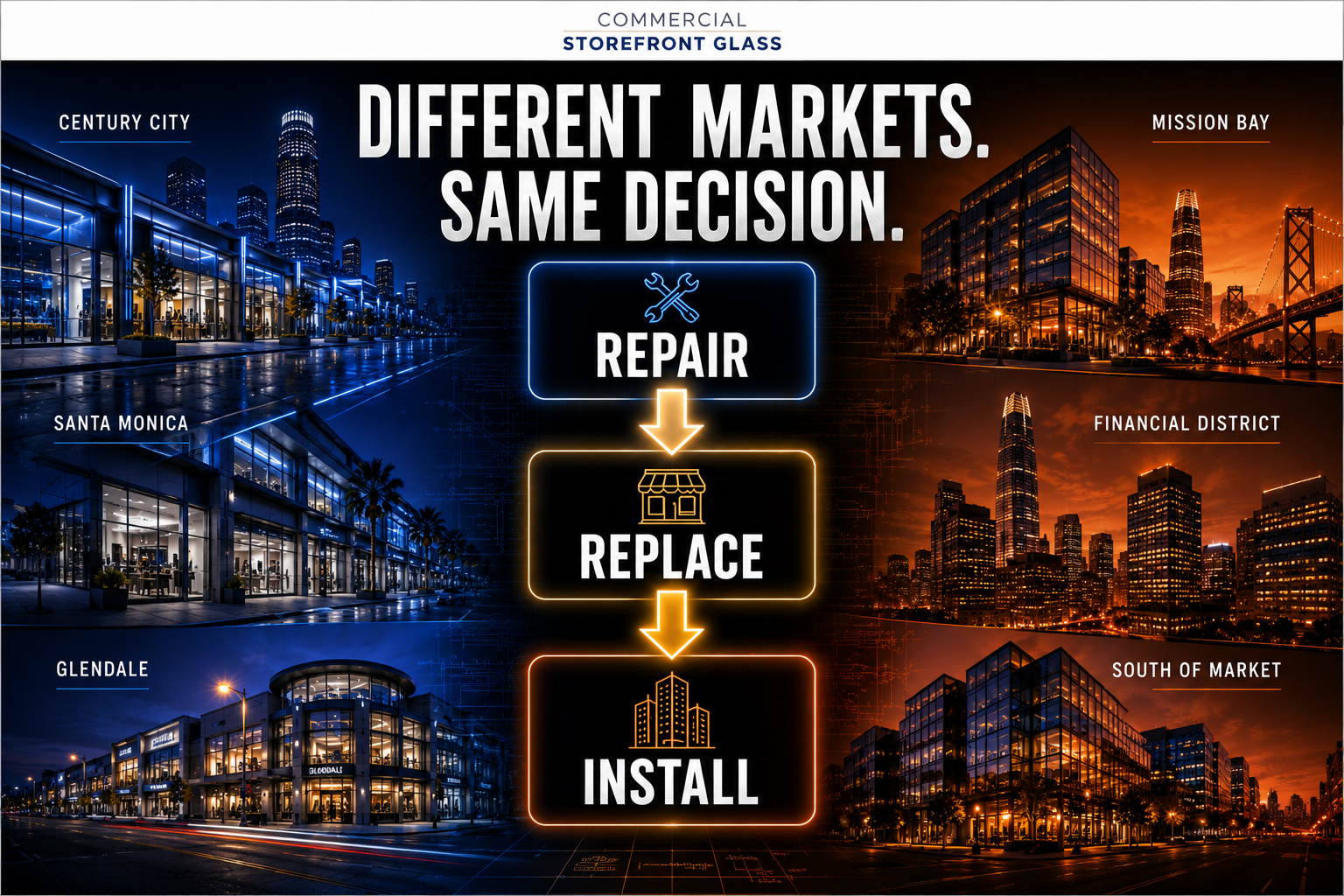
Los Angeles vs San Francisco: Different Energy Strategies
Although both cities prioritize efficient buildings,project goals often reflectdifferent commercial markets.
Los Angeles projects frequently emphasize:
New construction
Hospitality development
Corporate campuses
Retail expansion
San Francisco projects frequently emphasize:
Both markets pursue:
— Lower operating costs
— Better occupant comfort
— Improved building performance
— Long-term durability
— Higher property values
Regardless of location, energy-efficient glazing has become one of the most valuable long-term investments for commercial buildings.
Choosing Between Repair, Replacement, and Installation
Every energy improvement projectshould begin with evaluating the complete glazing system.
Property owners should consider:
- Building age
- Existing glass condition
- Insulated glass performance
- HVAC efficiency
- Occupancy patterns
- Planned renovations
- Energy goals
- Long-term ownership strategy
A comprehensive assessment often identifies opportunities that extend beyond replacing damaged glass alone.
Energy-Efficient Glass Benefits Every Commercial Property
Modern glazing systems support virtually every building type.
Common applications include:
- Office buildings
- Retail centers
- Hotels
- Hospitals
- Medical offices
- Universities
- Government facilities
- Mixed-use developments
- Corporate headquarters
- Industrial office spaces
Every property benefits from commercial glass systems designed to improve efficiency while creating comfortable environments for employees, tenants, and visitors.
Building Smarter Commercial Properties
Energy-efficient glass repair, replacement, and new installation each serve an important purpose throughout the lifecycle of a commercial property. Repairs restore localized performance, replacements modernize aging glazing systems, and new installations establish the foundation for highly efficient commercial buildings.
Whether upgrading a corporate campus in Los Angeles or improving a downtown office tower in San Francisco, professionally designed commercial glazing systems help reduce operating costs, improve occupant comfort, strengthen the building envelope, and increase long-term property value. As commercial real estate continues evolving,energy-efficient glass remains one of the smartest investmentsbuilding owners can make.