


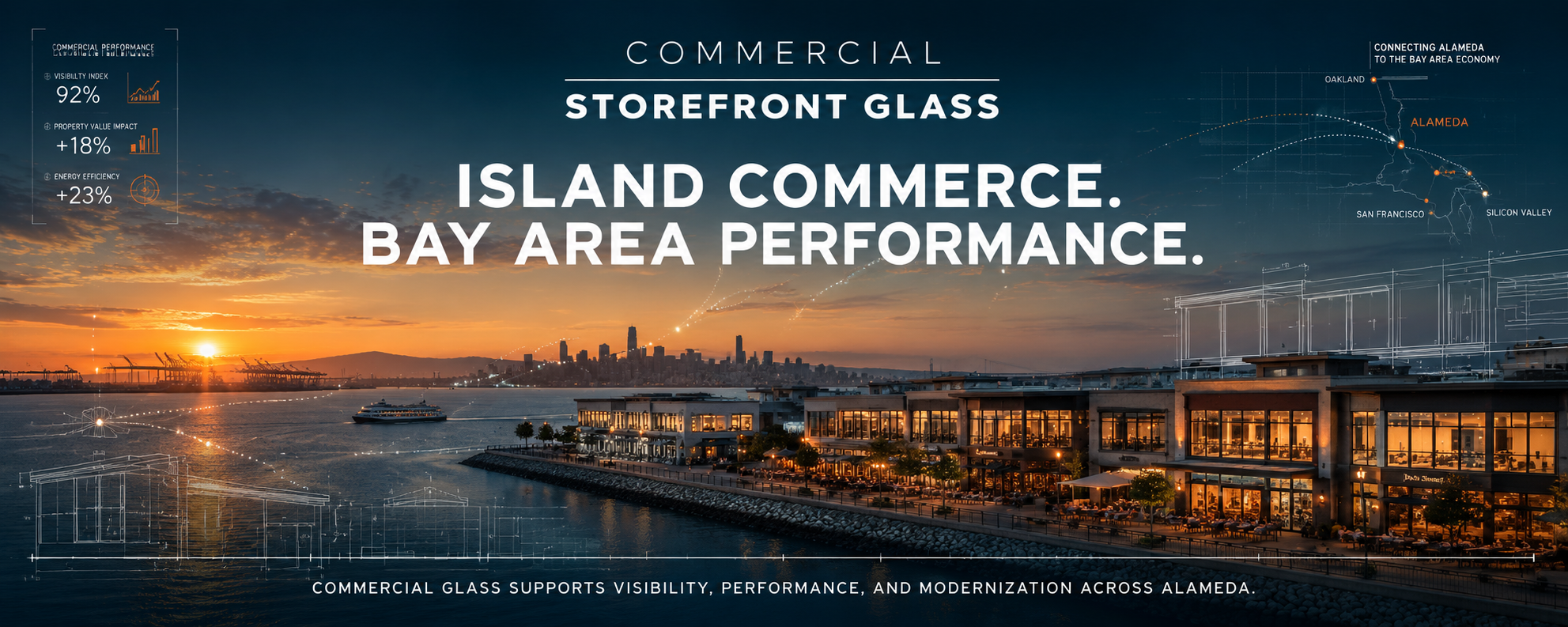
Alameda occupies a unique position within theBay Area.
Waterfrontredevelopmentcontinues attracting investment.
Historiccommercial districtsremain active.
Technology and innovationcompanies contribute to economic growth.
Hospitality, retail, and mixed-use development help shape a diverse commercial landscape.
Commercial glassserves many different purposes across these environments.
Storefronts improve visibility
Office properties enhance workplace quality
Hospitality environments support guest experience
Mixed-use projects modernize aging properties
As Alameda continues evolving,commercial glass remains an important componentof redevelopment, preservation, and long-term property performance.

Much ofAlameda’s economyrevolved around military activity, maritime industries, local commerce, and neighborhood-servingbusinesses.
Commercial developmentoften centered around:
- Naval-related facilities
- Downtown retail districts
- Traditional office buildings
- Industrial waterfront properties
Glass systemswere largely functional.
Energy efficiencyreceived limited attention.
Many propertiesrelied on single-pane glazing and aging storefront systems.
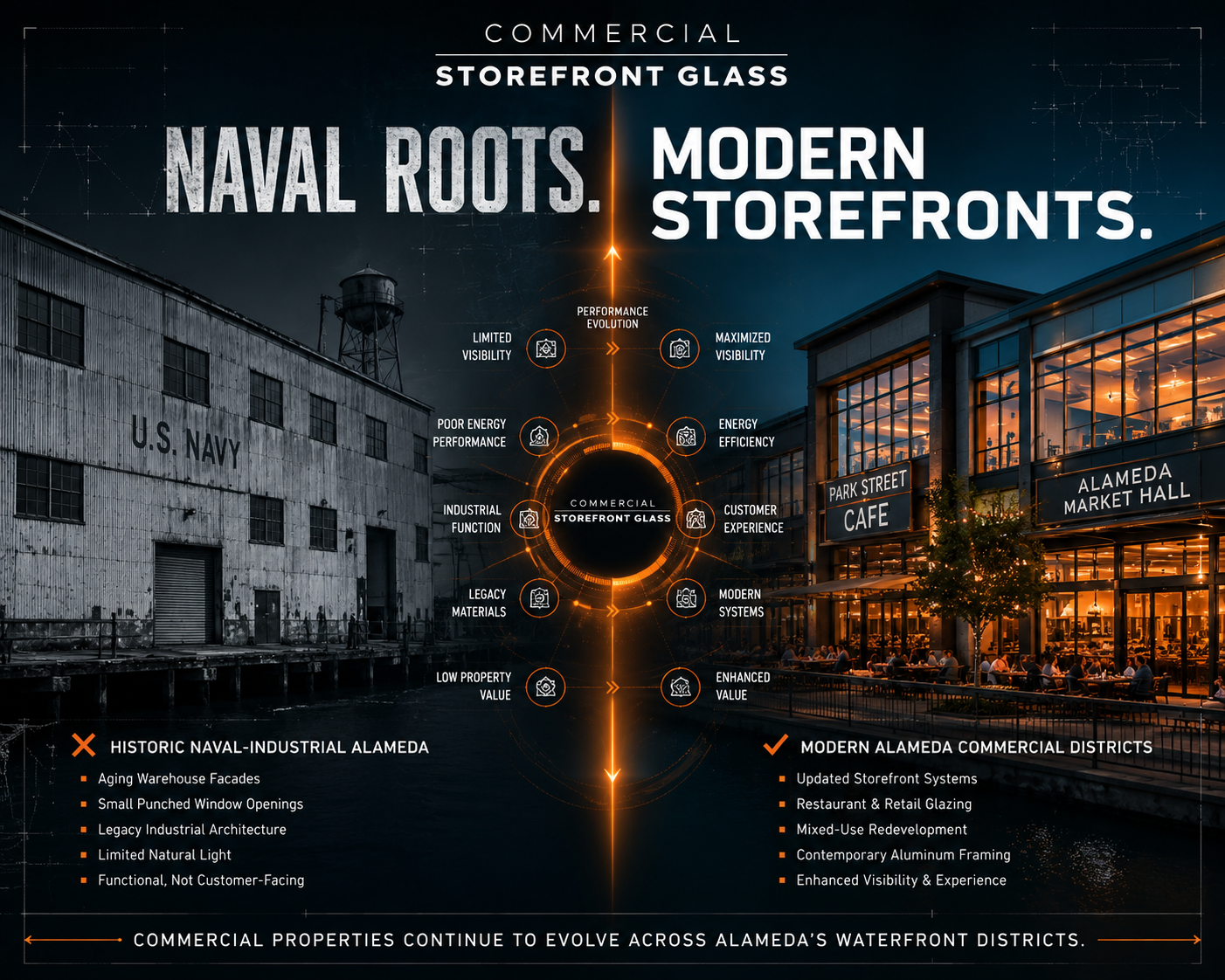
Mixed-use development accelerated.
Technologycompanies expanded into former industrial areas.
Hospitality and waterfront investment increased.
Ownership groups increasingly prioritized:
Energy efficiency
Customer experience
Workplace quality
Long-term asset value
Today,commercial glass supportsmany of the objectives driving Alameda’s continued transformation.

Alameda, California
1. A Brief History of Commercial Glass in Alameda
Alameda’s relationship with glassis deeply tied to its identity as an island city driven by maritime trade, industrial manufacturing, and historic preservation. While neighboringOaklandfamously housedmassive industrial operationslike theOwens-Illinois Glass Factory(which produced bottles and glass containers just across the tidal canal from 1936 to 2015), Alameda’s internal glass history evolved throughcommercial architecture.
During the late 19th and early 20th centuries, Alameda boomed as a streetcar suburb and a major shipping hub. The commercial districts along Park Street and Webster Street saw a massive influx of Art Deco, Victorian, and mid-century storefront developments. These structures relied heavily on localizedglazing infrastructureto install large plate-glass windows, intricate transoms, and decorative glass features that defined early modern retail storefronts.
2. Why Commercial Glass Matters Here
Alameda is a unique geographic and architectural market wherecommercial glass plays a vital structural and aesthetic rolefor three major reasons:
The Marine Environment:As an island surrounded by the San Francisco Bay and the Oakland Estuary,Alameda’s commercial propertiesface constant exposure to salt air, high moisture, and gusty winds.High-performance,corrosion-resistant architectural glassand aluminum framing are non-negotiable to prevent building envelope failures.
Historic Preservation vs. Modernization:With over 10,000 buildings constructed before 1930, Alameda has incredibly strict historic preservation ordinances.Commercial glass must balance the city’s historic aesthetic(matching vintage transoms and storefront profiles) with modern California Title 24 energy efficiency requirements.
Adaptive Reuse & Maritime Logistics:The transformation of the massiveAlameda Naval Air Station(Alameda Point) into abustling commercial hubfilled with breweries, wineries, tech startups, and aerospace companies has created a massive demand for retrofitting industrial spaces with modern,large-scale commercial glass installations.
3. Primary Commercial Glass Services Needed
| Service Category | High-Demand Applications in Alameda |
| Storefront & Entrance Retrofits | Specializedreplacement and repairof aluminum-framed glass doors, transoms, and display windows for the historic retail corridors on Park and Webster Streets, ensuringADA compliance. |
| Marine & Maritime Glazing | Heavy-duty, high-durability flat glass replacement for commercial vessels, ferries, and waterfront properties along the marinas and the Pacific Ship Repair areas. |
| Historic Glass Replication | Custom fabrication and installation of specialty or textured glass that mimics early 20th-century styles while meeting modern safety (tempered/laminated) standards. |
| Industrial Tenant Improvements | Installing curtain walls, interior glass partitions, and large architectural window assemblies for the adaptive reuse projects at Alameda Point. |
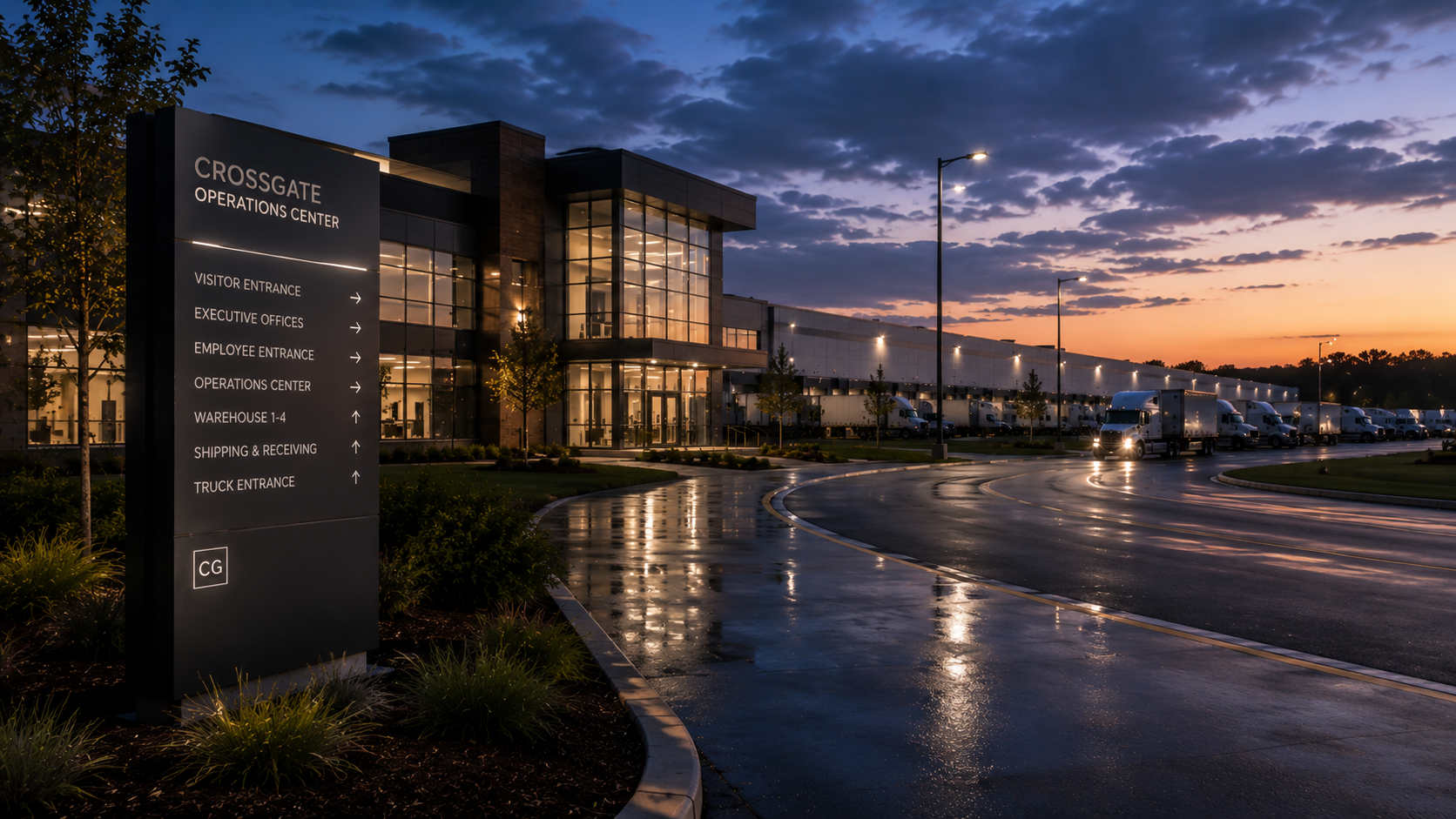
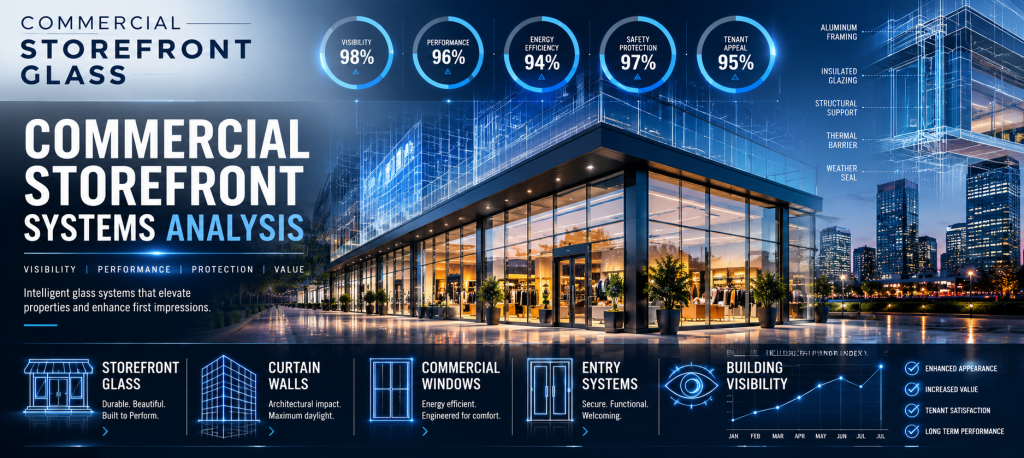
Differentcommercial environments create different system requirements.
A waterfronthotel operates differentlythan a converted industrial office building.
Retail environments prioritize visibility.
Hospitality properties focus on guest experience.
Office buildings often emphasize workplace quality.
Common objectives include:
Improved energy efficiency
Better daylighting
Reduced maintenance costs
Enhanced property appearance
Long-term operational value
Commercial glass systems throughout Alameda frequently balance modernization, performance, and aesthetics.
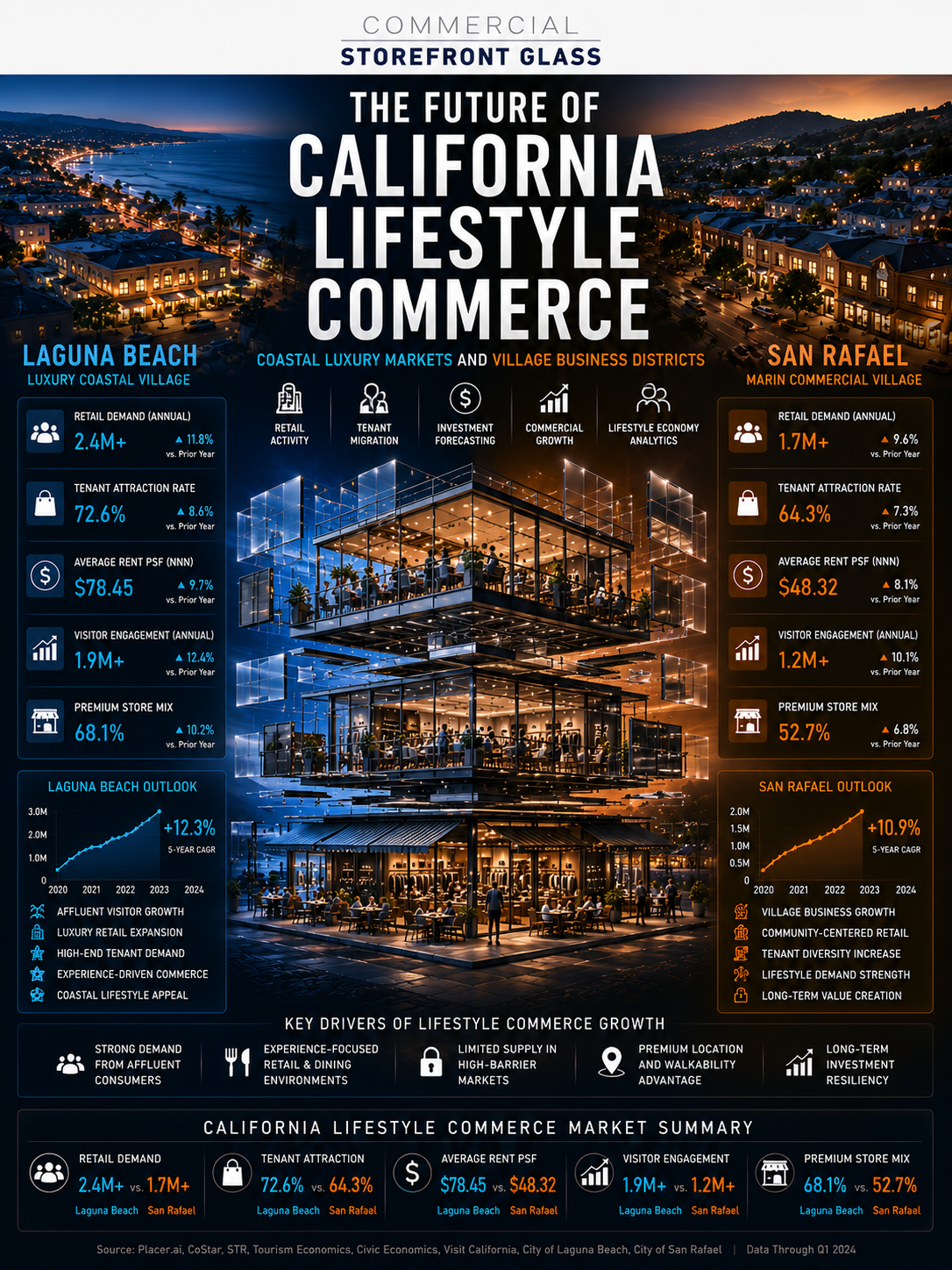
Few Bay Area markets combine historic preservation and modern redevelopment as extensively as Alameda.
Waterfront investment remains active.
Hospitality properties pursue guest-facing improvements.
Retail environments continue modernizing.
Office propertiesadapt to changing workplace expectations.
Commercial glass demand is often driven by:
- Storefront modernization
- Adaptive reuse projects
- Hospitality renovations
- Tenant improvements
- Building envelope upgrades
- Property repositioning
Many projects focus on balancing modernization goals with long-term asset preservation.
