


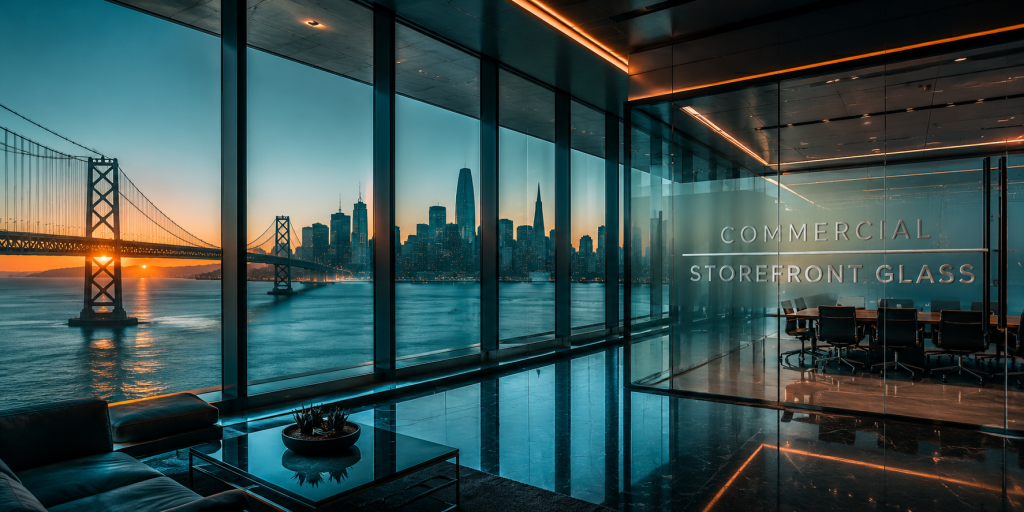
Oakland has always been a city built around movement.
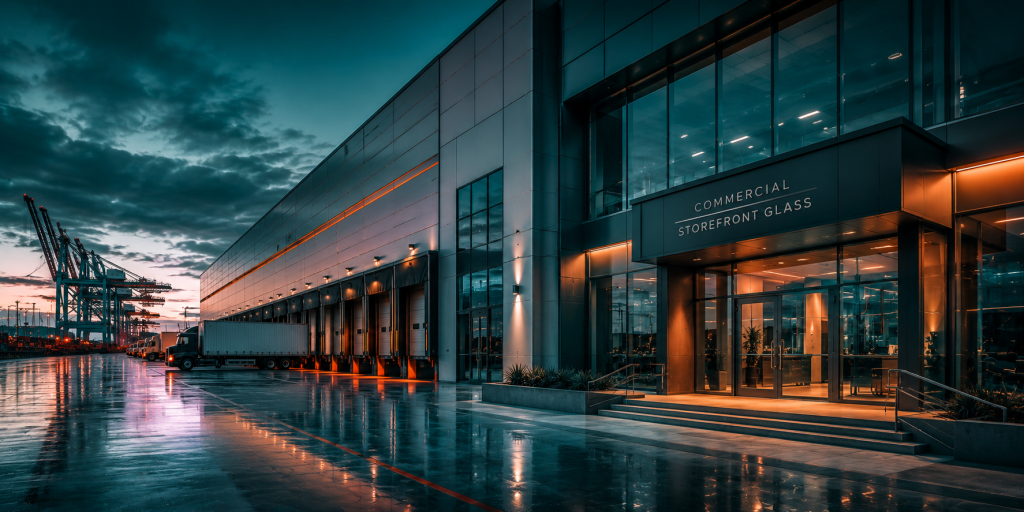
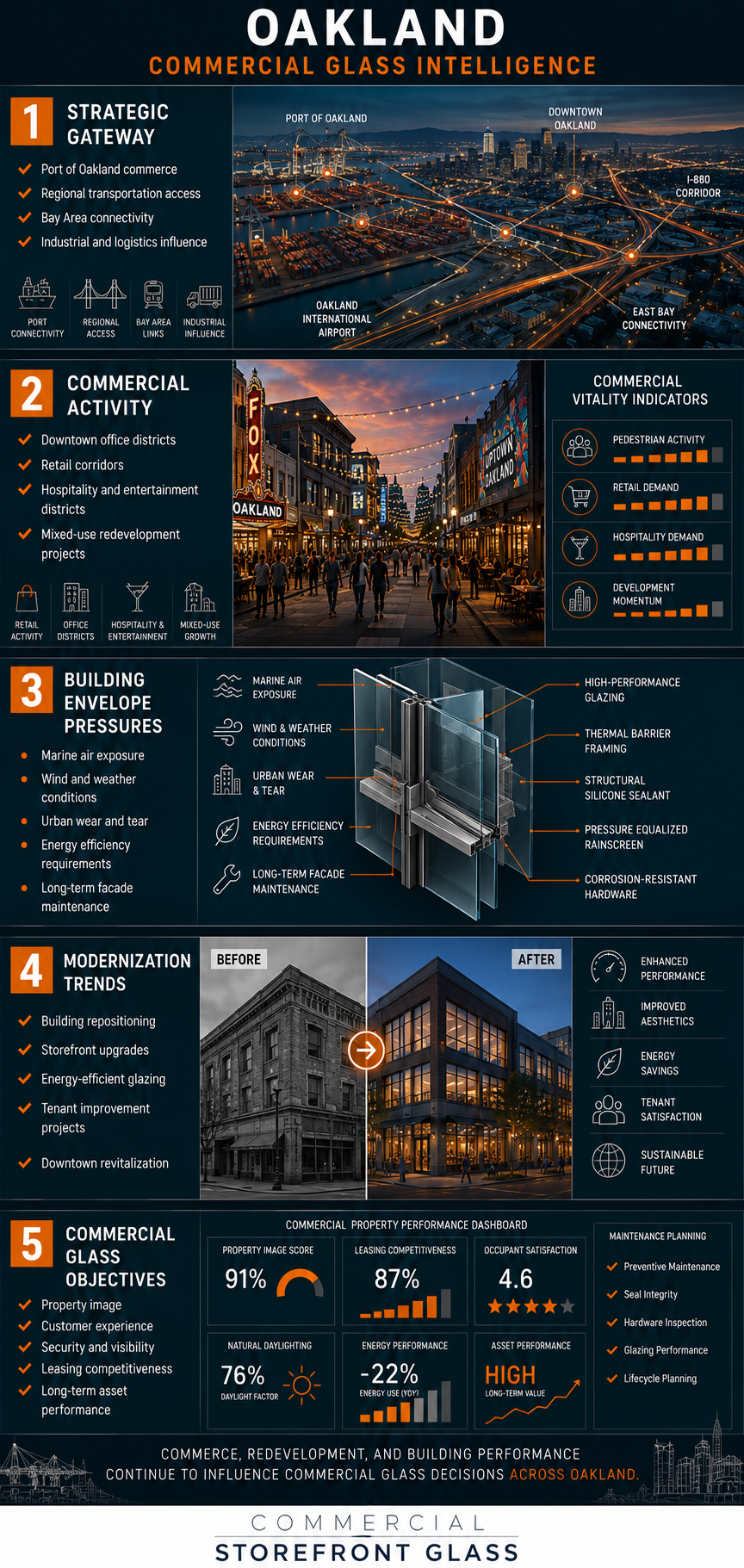
ThePort of Oaklanddrives logistics activity.
Downtown supports office development.

Healthcare systemscontinue expanding.
Industrial facilities stretchthroughout large portions of the city.
As a result,commercial glass serves many different purposesacross the local real estate landscape.
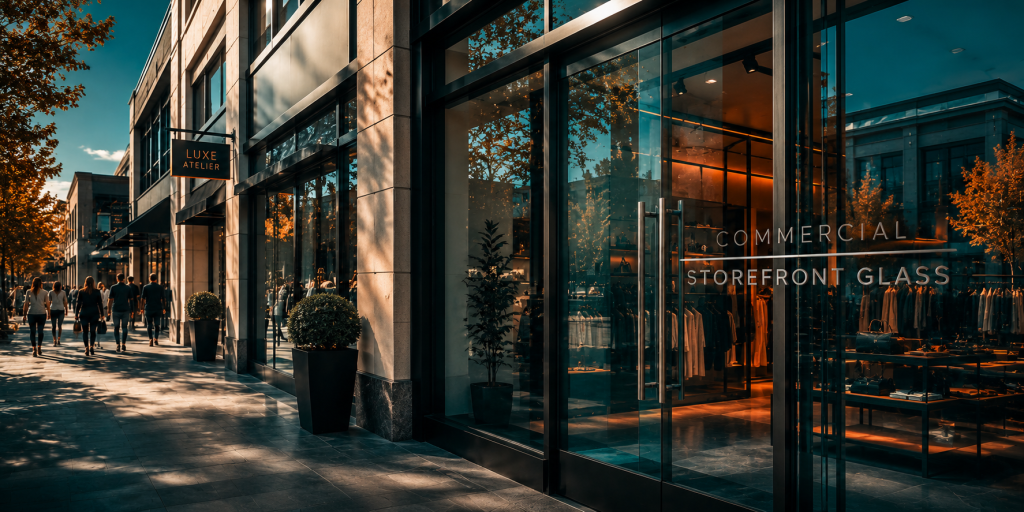
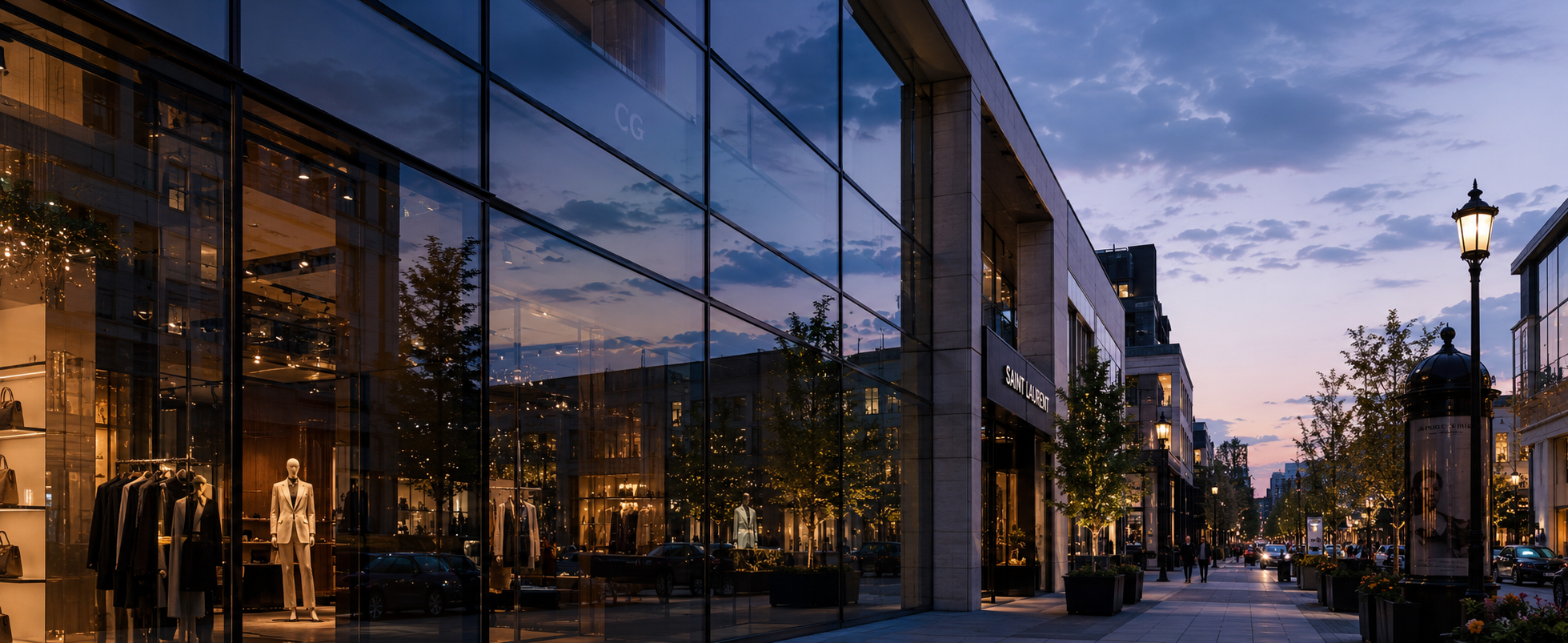
Storefronts create visibility
Office buildings benefit from natural light
Healthcare facilities prioritize occupant comfort
Industrial properties increasingly modernize administrative spaces
Commercial glass remains one of the mostvisible indicators of property investmentthroughout Oakland’s evolvingcommercial environment.
- Oakland vs Baltimore — West Coast Port vs East Coast Port
- Oakland vs Detroit — Port City vs Motor City
- Oakland vs Memphis — Pacific Gateway vs Logistics Hub
- Oakland vs Long Beach — Northern Port vs Southern Port
- Oakland vs Cleveland — Industrial Legacy vs Industrial Legacy
- Oakland vs Milwaukee — Manufacturing Hub vs Manufacturing Hub
- Oakland vs Buffalo — Great Lakes Gateway vs Pacific Gateway
Oakland, California
1. A Brief History of Commercial Glass in Oakland
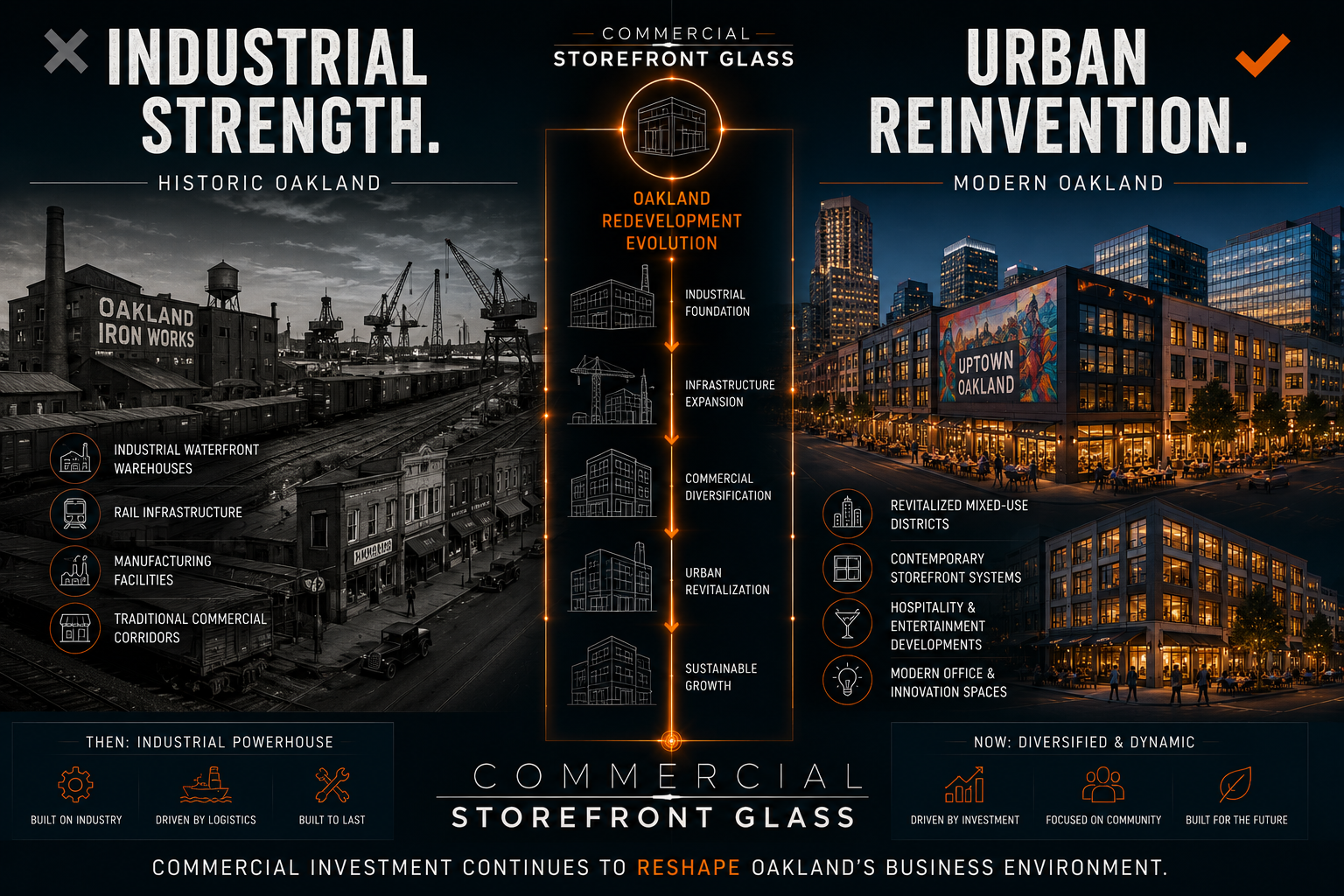
IfSan Franciscois thearchitectural consumer of glass, Oakland historically served as the muscle that built the region’s industry. For nearly a century, Oakland was a powerhouse forheavy glass manufacturing, processing, and localized contract glazing.
The bedrock of Oakland’sglass history was establishedin the early 20th century, highlighted by companies likeEastbay Glass, which opened in the 1920s and remains one of the city’s oldest operating businesses today.Theindustry exploded globallyin 1936, when packaging giant Owens-Illinois purchased 22 acres at the foot of Fruitvale Avenue and opened the massiveOwens-Illinois Glass Factoryin 1937.At its peak, this industrial colossus employed over 1,800 workers, producing millions of glass wine, beer, and food containers, and anchoring the East Bay waterfront’s economy until it finally ceased operations around 2015.
Simultaneously, Oakland’s identity as aunion-strong laborhub shaped a highly skilled community ofcommercial union glaziers. As the city transitioned from a heavy manufacturing center to an administrative andtech hubin the late 20th century, these localglazing crewspivoted from manufacturing glass containers to erecting thehigh-rise curtain wallsdefining Uptown anddowntown Oakland.
2. Why Commercial Glass Matters Here
InOakland, commercial glassis highly vital due to a mix of aggressive urban development, equity-driven green mandates, and regional climate variations:
The Urban Resurgence & Infrastructure Transit:With massive high-rise housing, commercial office expansions, and institutional transit infrastructure (likeBARTand the Port of Oakland),structural glazingis central to the city’s modern architecture. Glass is the primary material used to project a forward-looking, progressive urban landscape.
Seismic Safety Along the Hayward Fault:Unlike San Francisco, which faces theSan Andreas fault, Oakland sits directly on top of the highly active Hayward Fault. This geographical reality meansOakland’s building codesrequirespecialized architectural glazing systemsengineered for intense lateral movement.Commercial glass facadesmust handle high structural flexing to prevent catastrophic failure in a major seismic event.
The East Bay Climate Split:Oakland spans from cooler marine waterfronts to warmer inland pockets near the hills. Commercialproperties rely heavily on specialized multi-pane glass unitsto optimize thermal performance, manage solar heat gain, and drastically lower energy loads to hit thecity’s stringent greenhouse gas reduction goals.
3. Primary Commercial Glass Services Needed
| Service Category | High-Demand Applications in Oakland |
| High-Performance Unitized Curtain Walls | Fast-paced installation of pre-fabricated,high-efficiency glassand aluminum wall systems for dense commercial developments and high-rises in the Uptown and Downtown districts. |
| Seismic Storefront & Entryway Engineering | Upgrading older retail storefronts along Grand Avenue, Broadway, and the Fruitvale district with modern,code-compliant seismic aluminum framingand tempered/laminated safety glass. |
| Industrial-to-Retail Adaptive Reuse Glazing | Retrofitting vintage brick-and-timber industrial warehouses inJack London Squareand West Oakland into modern commercial spaces using large architectural steel-framed glass windows andoversized glass pivot doors. |
| Graffiti-Resistant & Security Glass Film | Heavy application of sacrificial anti-graffiti glass laminates,security glazing, and shatter-resistant window films for high-traffic ground-floorretailand civic spaces. |
| Heavy Institutional & Port Glazing | Heavy-duty, weather-resistant flat glass replacement and structural glazing maintenance for the Port of Oakland, logistics terminals, and regional transit infrastructure. |

Commercial properties throughout Oakland frequently require adiverse range of glazing services.
Common project categories include:
- Commercial glass installation
- Commercial glass replacement
- Commercial glass repair
- Commercial storefront glass
- Glass entry systems
- Tenant improvement glass
- Commercial window repair
- Emergency glass replacement
- Aluminum framing systems
- Building envelope upgrades
Project activity remains strong across multiple sectors:
– Retail corridors
– Office buildings
– Healthcare facilities
– Logistics properties
– Industrial campuses
– Mixed-use developments
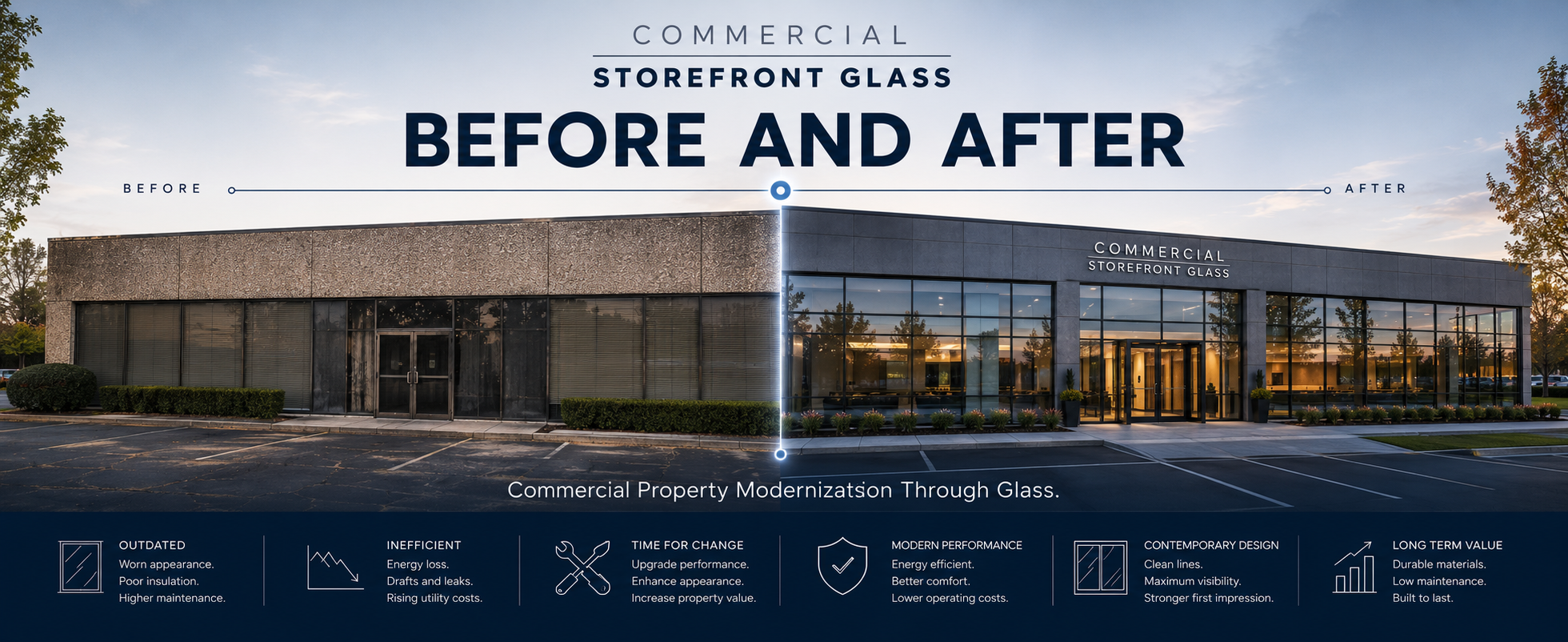
Different property types create different performance requirements.
Adowntown office towerfaces different challenges than a warehouse facility near the port.
Retail environments prioritize customer visibility.
Healthcare facilities often focus on occupant comfort.
Industrial properties emphasize durability and operational efficiency.
Common system objectives include:
Natural light
Energy performance
Reduced maintenance
Modernized appearance
Long-term building value
As Oakland continues evolving,commercial glass systems increasingly balance performance, aesthetics, and operational goals simultaneously.

Buildingperformance depends on more than the glassitself.
The entire building envelope works together to protect the property.
Modern building envelope strategiescommonly focus on:
Energy efficiency
Thermal performance
Water management
Occupant comfort
Long-term durability
Manyolder commercial propertiesthroughout Oakland encounter recurring challenges such as:
Aging seals
Outdated glazing systems
Water infiltration concerns
Air leakage
High maintenance requirements
As ownership groups pursue modernization initiatives,building envelope upgrades frequently become partof larger capital improvement programs.
Glass replacementoften serves as one component of a broader property performance strategy.