


Los Angeles vs San Francisco: Repair vs Replacement vs New Storefront Installation
Los Angeles and San Francisco represent two of California’s largest commercial construction markets, yet they often approach storefront glass projects from different perspectives. Both cities rely on commercial storefront systems to support office buildings, retail centers, hotels, restaurants, mixed-use developments, and tenant improvements, but the reasons for a project often vary with the building’s age, redevelopment activity, and business goals.
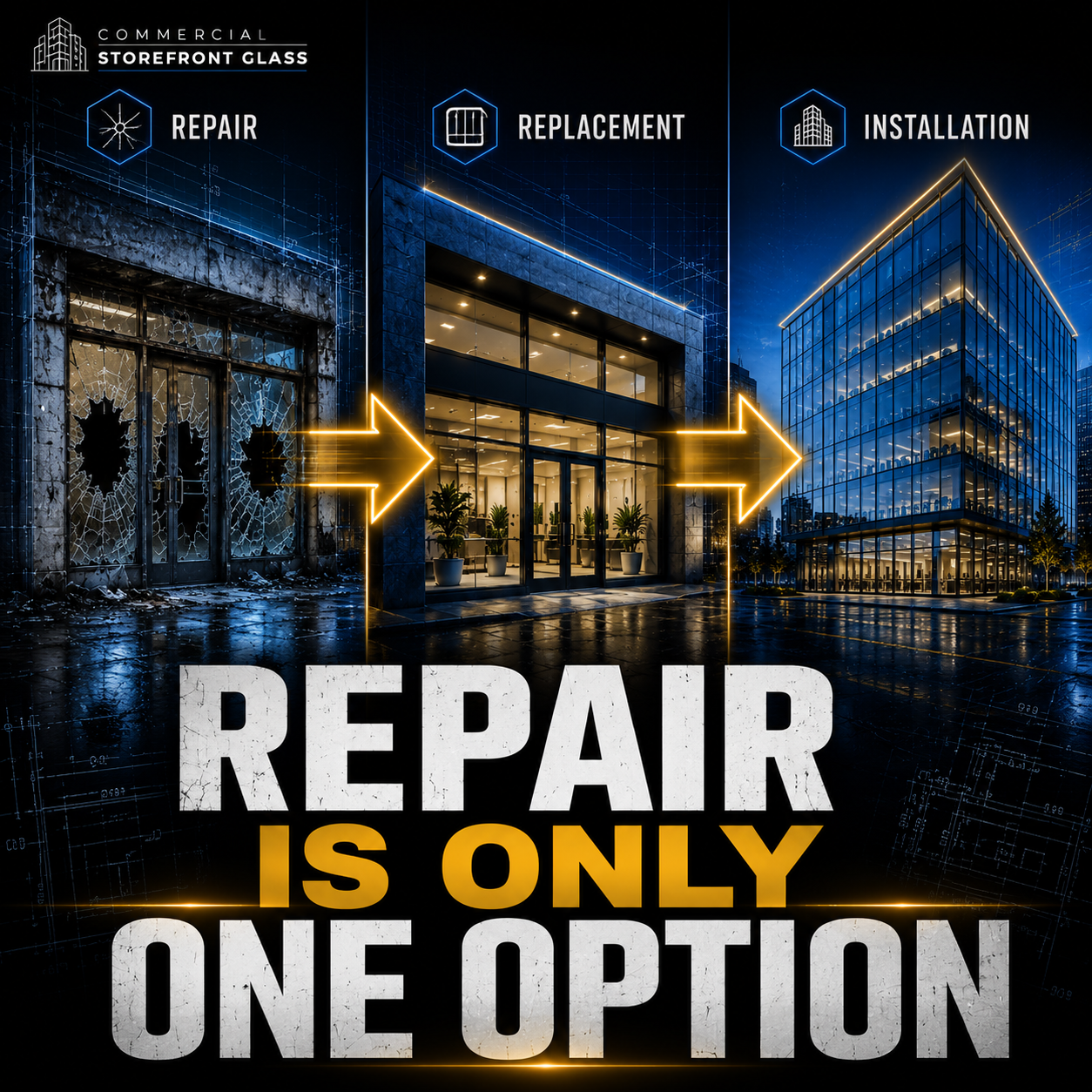
Some commercial properties simply require a repair after accidental damage or years of everyday use. Others reach a point where replacing the entire storefront delivers greater long-term value. New developments, tenant improvements, and adaptive reuse projects may require entirely new storefront installations tailored to modern business needs.
Understanding the differences between repair, replacement, and installation helps property owners, facility managers, developers, architects, and general contractors choose the solution that best supports their building for years to come.
Featured California Commercial Glass Matchups
Innovation & Technology
Commercial Growth & Development
Bay Area Commercial Service Matchups
Bay Area Building Systems
Why Commercial Storefront Glass Matters in Both Markets
Whether walking through Downtown Los Angeles or San Francisco’s Financial District, storefront glass shapes the first impression of nearly every commercial property.
Modern storefront systems help commercial buildings provide:
- Professional street presence
- Natural daylight
- Durable public entrances
- Improved accessibility
- Long-term operational performance
- Better tenant appeal
Although both cities depend heavily on storefront glass, the types of projects often reflect the character of each market.
Los Angeles frequently sees new commercial construction, entertainment projects, hospitality renovations, and large tenant improvements. San Francisco often combines storefront modernization with adaptive reuse, office repositioning, and upgrades to established commercial districts.
When Commercial Storefront Repair Is the Right Choice
Repair is usually the most practical option when the storefront system remains structurally sound and only individual components require attention.
Typical repair projects include:
- Broken storefront glass
- Damaged entrance doors
- Hardware replacement
- Door closer adjustments
- Lock and panic device repairs
- Weather seal replacement
- Minor aluminum frame repairs
In Los Angeles, repair projects are common for busy retail corridors, restaurants, hospitality properties, and neighborhood shopping centers where minimizing downtime is critical.
In San Francisco, repairs often help maintain active office buildings, mixed-use properties, and established commercial storefronts while preserving existing building systems.
When performed promptly, repairs extend the life of a storefront while delaying larger capital expenditures.
When Replacement Becomes the Better Investment
Eventually, repairs alone may no longer provide the best long-term value.
Replacement becomes appropriate when aging storefront systems affect appearance, efficiency, reliability, or tenant expectations.
Common reasons include:
- Repeated glass failures
- Worn aluminum framing
- Outdated entrances
- Energy performance improvements
- Property repositioning
- Major renovations
Throughout Los Angeles, storefront replacement frequently accompanies retail renovations, hospitality upgrades, and commercial redevelopment.
Across San Francisco, replacement projects often support office modernization, adaptive reuse, and repositioning older commercial properties for today’s tenants.
A new storefront can dramatically improve both the appearance and performance of a commercial building while reducing future maintenance requirements.