




Broken glass can create immediate challenges for a commercial property.
Customer access may be affected.
Building security can become a concern.
Business operations may be interrupted.
Property appearance often suffers immediately.
When damage occurs, restoring the building quickly becomes the priority.
Emergency glass replacement helps commercial properties recover from unexpected damage while minimizing disruption to tenants, customers, employees, and daily operations.
- Veterinary Clinic Renovations
- Fitness Center Build Outs
- Hotel Lobby Renovations
- Bank Branch Renovations
- Retail Store Renovations
- Restaurant Renovations
- Commercial Building Repositioning

The General Contractor (GC) Perspective
How They Perceive It: The GC views emergency glass replacement as a high-liability crisis management event that disrupts project timelines, compromises site security, and introduces major safety hazards. Whether caused by site break-ins, vehicle impacts, severe weather, or accidental equipment strikes during construction, an unsecured opening halts interior trades, exposes drywall and MEP work to rain or humidity, and creates immediate OSHA and trespass liabilities. To the GC, the emergency phase is about rapid stabilization—board-up and weatherproofing—followed by managing the real headache: matching legacy extrusions, sourcing custom insulated or tempered makeups on rush order, and preventing schedule slippage toward the Certificate of Occupancy (CO).
Decisions They Normally Make:
Treats emergency board-up as a crude, single-layer plywood patch: Nails or tapcons raw plywood directly into aluminum storefront frames or masonry, permanently damaging extrusions and failing to provide structural resistance against wind loads or forced entry.
Orders replacement glass off rough field tape measurements without pulling stops: Attempts to rush the glass order before removing broken shards and broken edge blocks, resulting in an expensive insulated glass unit (IGU) that arrives 1/4″ too wide or binds on internal screw splines.
Substitutes monolithic annealed or non-safety glass as a temporary “fix”: Installs whatever clear lite is sitting in the local warehouse to close the hole, inadvertently creating a severe code violation (CPSC 16 CFR 1201 / IBC Chapter 24) in high-traffic doors or hazardous impact zones.
Decisions They SHOULD Make:
Execute non-destructive tension-clamped board-ups: Secure temporary 3/4″ exterior-grade plywood utilizing interior 2×4 framing cleats and threaded rod through-bolts, protecting the aluminum finish, ensuring dynamic wind resistance, and preventing unauthorized site access.
Pull setting blocks and measure the daylight opening and glass pocket simultaneously: Document the exact glass makeup (overall thickness, low-E coating surface, interlayer mil, tint, and spacer width) and inspect the internal weep drainage before placing the expedited fabrication order.
Establish pre-negotiated emergency glazing subcontracts: Maintain active master service agreements with regional commercial glaziers that guarantee 2-to-4-hour board-up response times and priority routing at the glass tempering furnace.
- Office Reconfiguration
- Office Demolition & Rebuild
- Commercial Space Planning
- Office Relocation Renovations
- Corporate Office Upgrades
- Spec Suite Build Outs
- Medical Office Renovations
- Dental Office Build Outs
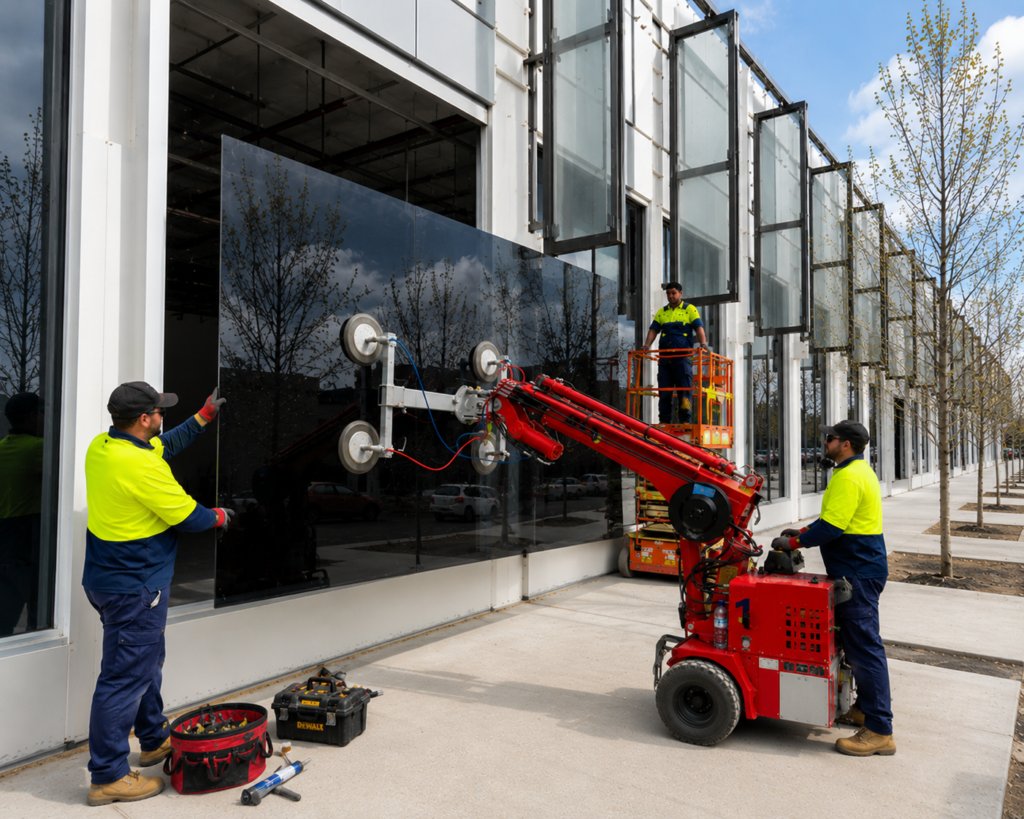
The Commercial Tenant Perspective
How They Perceive It: The commercial tenant (retail manager, restaurant owner, bank branch, or office tenant) perceives emergency glass breakage as an acute business disruption and an immediate threat to safety and revenue. A shattered front window or broken entrance door exposes inventory to theft, ruins the brand’s professional image, makes the interior uninviting, and often requires staff or armed guards to remain on-site overnight. Tenants experience panic over the timeline: they dread having a boarded-up eyesore for weeks during prime operating hours, and they worry about whether the replacement will match the rest of the facade or trigger unexpected out-of-pocket costs.
Decisions They Normally Make:
Calls generic residential glass repair services or DIY handymen: Contacts standard window repair companies that lack commercial-grade stock, certified heavy-glass vacuum lifters, or access to commercial aluminum storefront hardware, leading to amateur installs and delayed timelines.
Leaves broken tempered or laminated glass in frames while waiting for service: Attempts to sweep up floor glass while leaving cracked, unstable overhead lites in place, risking sudden glass collapse on employees or customers.
Accepts standard 3-to-4-week fabrication lead times passively: Assumes nothing can be done to expedite custom dual-pane or low-E glass, resigning themselves to weeks behind dark plywood that kills foot traffic and sales.
Decisions They SHOULD Make:
Immediately secure a dedicated commercial 24/7 glazing contractor: Call a certified commercial storefront glazier capable of handling heavy commercial entrance doors, high-span storefront lites, and direct insurance billing.
Request high-visibility temporary graphics or clear security polycarbonate: If a custom insulated or laminated unit requires a multi-week lead time, demand clear 1/2″ polycarbonate panels or branded vinyl wraps over neat board-ups so the business can safely remain open and visually operational.
Upgrade to security-laminated glass during the replacement: Take advantage of the insurance claim or capital outlay to upgrade from standard tempered glass to multi-layer laminated security glass, ensuring that future impact attempts cannot penetrate the interior envelope.
- Commercial Property Modernization
- Commercial Building Renovation
- Retail Store Build Out
- Restaurant Build Out Contractor
- Commercial Interior Construction
- Office Expansion Contractor
- Commercial Leasehold Improvements
- Commercial Space Conversion
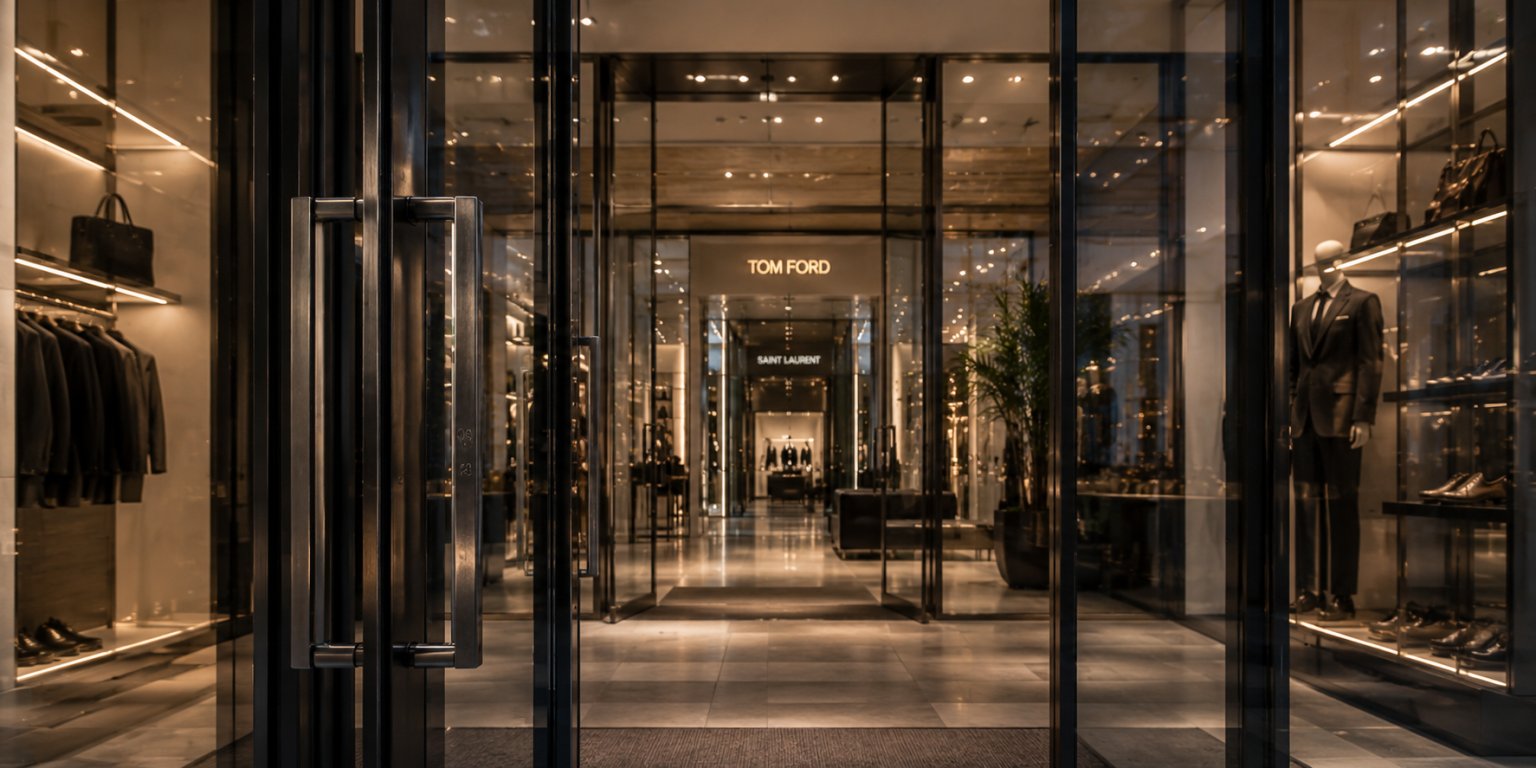
Storefront systems are among the most visible parts of a commercial building.
Customers notice damage immediately.
Business operations can be affected.
Property perception often changes overnight.
Emergency storefront replacement helps restore visibility, functionality, and security while protecting the professional appearance of the property.
For many businesses, restoring the storefront becomes the most urgent priority.
- Tenant Improvement Contractors
- Tenant Improvement Construction
- Tenant Improvement Build Outs
- Tenant Improvement Remodeling
- Tenant Improvement Renovations
- Commercial Tenant Improvement Services
- Office Tenant Improvement Contractor
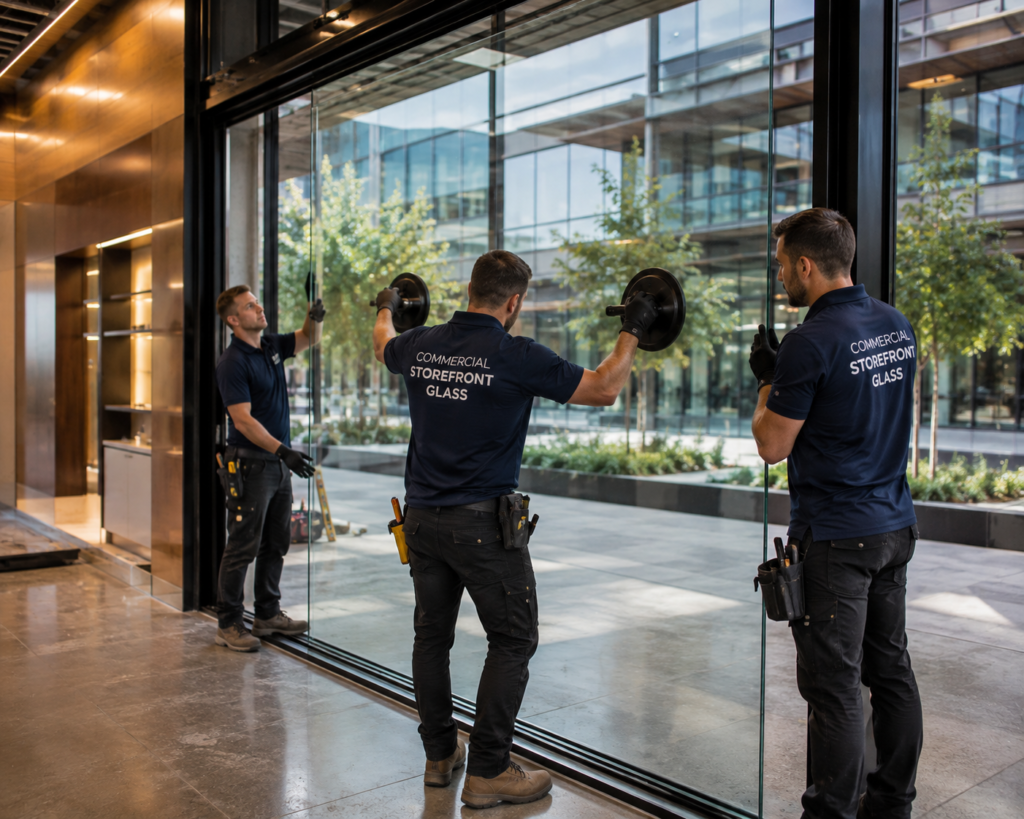
Professional office environments depend on reliable building systems.
Employees expect safe access.
Visitors notice property condition.
Damaged glazing can affect both operations and perception.
Emergency replacement services help restore functionality while maintaining a professional appearance throughout the property.
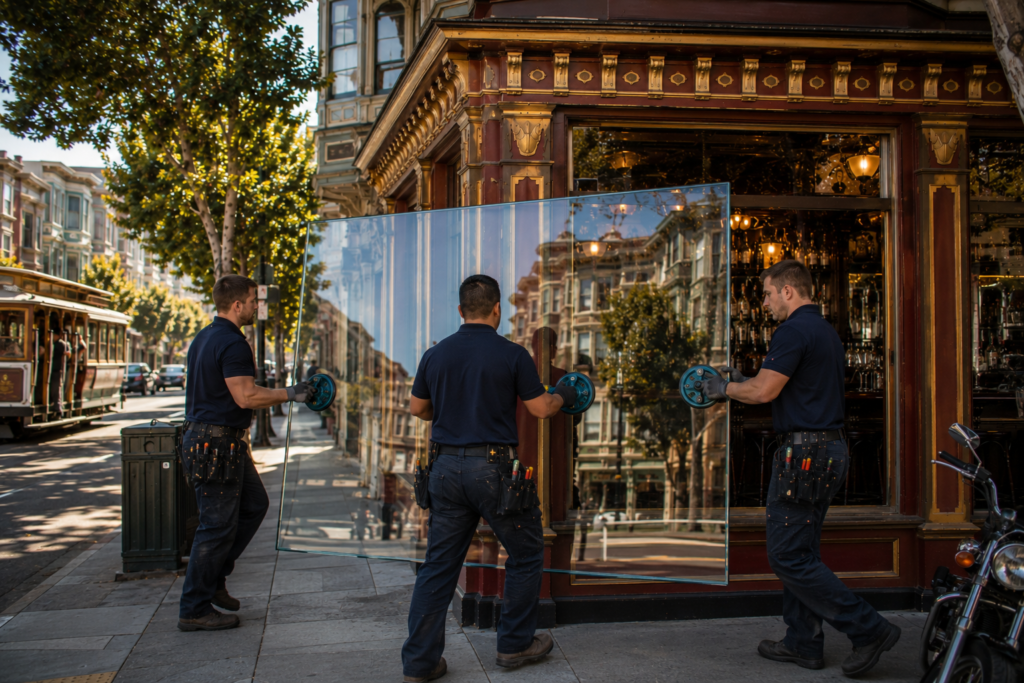
Hotels and hospitality facilities focus heavily on guest experience.
Visible damage can influence perception.
Safety concerns require immediate attention.
Emergency replacement services help restore normal operations while protecting guests, staff, and property assets.
Rapid response often becomes an important part of maintaining service standards.
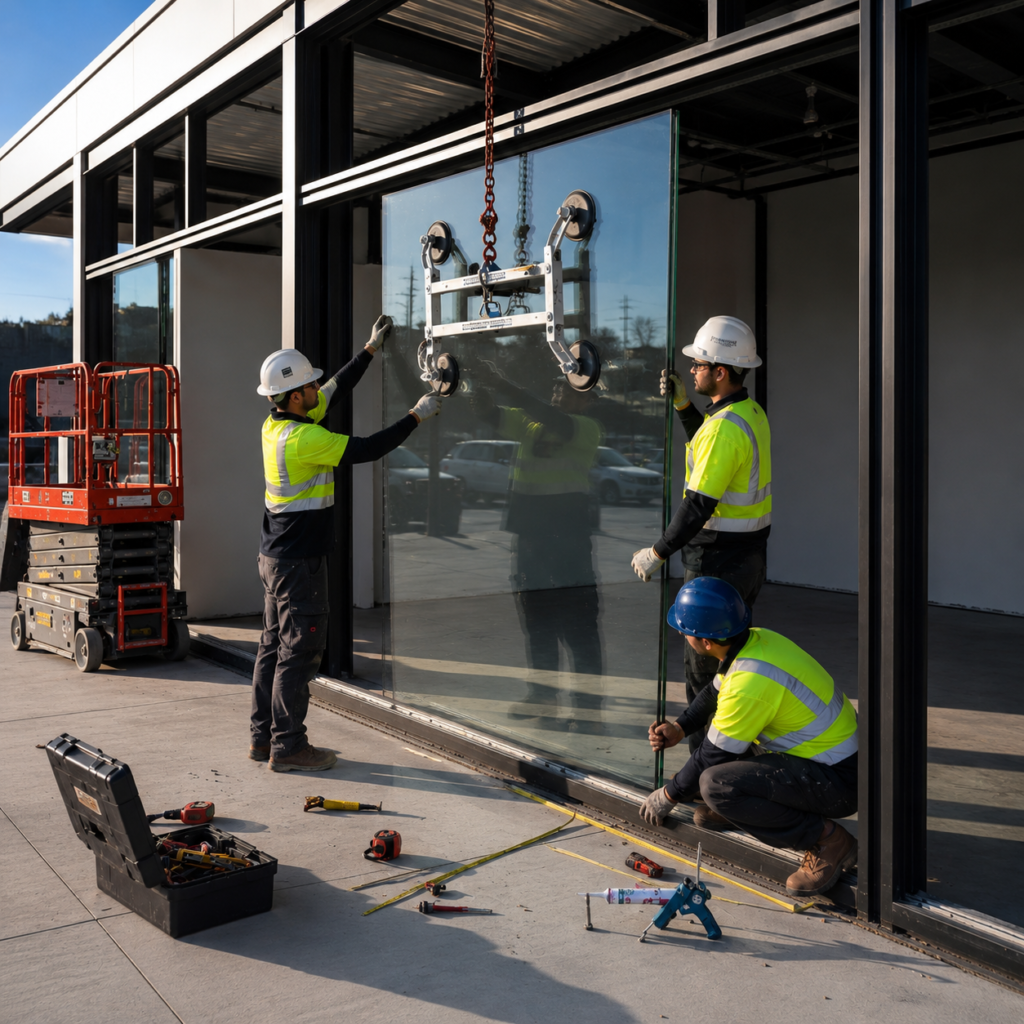
Board up services and emergency replacement frequently work together.
Temporary protection may be installed immediately after damage occurs.
Permanent replacement follows once measurements, materials, and installation plans are finalized.
This process helps secure the building while supporting a long-term solution.
Bay Area Curtain Wall Systems
Bay Area Glass Entry Systems
Bay Area Aluminum Framing Systems
Bay Area Architectural Glass
Bay Area Building Envelope Glass Systems
Bay Area Commercial Security Glass
Bay Area Energy Efficient Commercial Glass
Bay Area Impact-Resistant Glazing
Bay Area Commercial Glass Systems
Bay Area Commercial Glazing Systems